
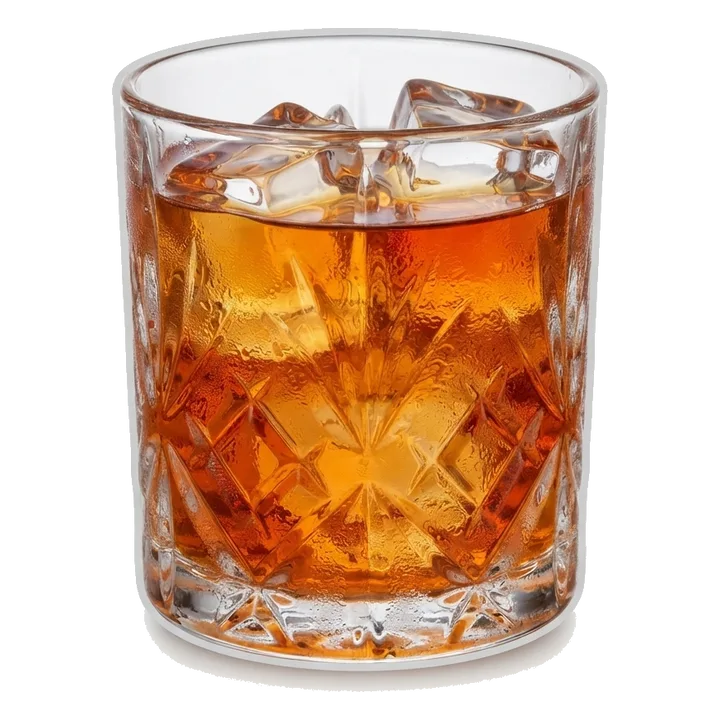
Sazerac
4.7 334 ratings
Ingredients
How to make
Serve in a old-fashioned glass
Prepare
- 1 Select and pre-chill an OLD-FASHIONED GLASS.
- 2 Prepare garnish of lemon zest twist.
Method
- 3 POUR absinthe into an ice-filled old-fashioned glass, TOP with water, and leave to stand.
- 4 THROW other ingredients with ice and set aside.
- 5 STRAIN contents of the old-fashioned glass into a chilled shot glass to be served as an optional extra alongside the Sazerac..
- 6 STRAIN contents of shaker into the absinthe rinsed old-fashioned glass.
- 7 EXPRESS lemon zest twist over the cocktail and discard.
Garnish
- 8 Enjoy a delicious Sazerac with an absinthe shot served alongside.
Flavour profile
50.0% alc./vol. · 1.9 standard drinks · 213 calories
History
For those concerned about wasting absinthe, consider straining into a shot glass for a tasty chaser.
The Sazerac's origins are often linked to cognac, but a phylloxera outbreak in the 1870s reportedly led to rye whiskey becoming the primary spirit. As bourbon gained prominence in American whiskey, some bartenders shifted to using it for Sazeracs. However, it appears the Sazerac was consistently a whiskey cocktail, possibly known initially as the Improved Whiskey Cocktail. Some, like Stanley Clisby Arthur in his 1937 book Famous New Orleans Drinks & how to mix'em, strongly advocate against bourbon, stating: "for while Bourbon may do for a julep it just won't do for a real Sazerac." Sazeracs made with rye whiskey are preferred by some, as are those made with bourbon and/or cognac. Each spirit offers a distinct profile: rye provides robustness and spice, bourbon is smoother, and cognac is even more so. A blend of all three, in equal parts, creates a complex Sazerac where each spirit contributes its character. Bitters are essential to a Sazerac. While Peychaud or other Creole-style bitters are standard, many recipes, including Stanley Clisby Arthur's, also include aromatic bitters. Previously, three dashes of aromatic bitters were used in Sazeracs made with a bourbon and cognac blend, a combination that benefited from more intense bittering. However, one dash is generally sufficient, especially when using rye as the base spirit. Aromatic bitters add a crucial element and should not be omitted. Embury's perspective supports a particular approach: "Traditionally, the Sazerac, like the Old-Fashioned, is made by first saturating a lump of sugar with bitters and then muddling it. In the interest of simplicity and better drinks, however, we have abandoned loaf sugar in favour of sugar syrup." The traditional method of moistening a sugar cube with bitters and water, then muddling, produces a syrup with undissolved sugar crystals. Embury suggests that using quality homemade sugar syrup results in a better Sazerac. If not syrup, powdered sugar is a viable alternative, and its use over syrup is also advocated. The balance of sugar and bitters is critical; the sugar should temper the spirit and bitters without making the cocktail overly sweet. Dilution, as noted by Embury, contributes to the Sazerac's character: "The Sazerac is a sharp, pungent, thoroughly dry cocktail. To most people, however, the combination of absinthe and whisky [sic] is not particularly pleasing. While whisky lovers do not like the sharp, biting taste that the absinthe imparts, absinthe lovers prefer their absinthe straight, dripped, frappéed, or mixed with gin rather than whisky. Even among my various New Orleans friends I have yet to find a Sazerac addict." When prepared with classic proportions and methods, the Sazerac can indeed be very dry and potent. Achieving the right balance of sugar and bitters is important, but so is dilution. Over-stirring or using ice that melts too quickly can lead to an overly diluted drink. Conversely, using very cold ice straight from the freezer may require the addition of approximately 10ml (⅓oz) of chilled water to achieve proper dilution. Mixing Method While stirring is traditional, some consider shaking or, preferably, throwing the drink to be superior. Throwing aerates the cocktail effectively without creating the undesirable foam that shaking can produce. Garnish The oils from a lemon twist provide the finishing touch, with a fine mist being sufficient. Overuse of lemon can overpower the drink's flavors. The zest should not be dropped into the drink, as Stanley Clisby Arthur advises: "do not commit the sacrilege of dropping the peel into the drink." He also notes that while "some bartenders put a cherry in a Sazerac; very pretty but not necessary."